
Why Choose Mechanical Walking Aids Over Traditional Devices
, by Jeffry Zara, 6 min reading time
, by Jeffry Zara, 6 min reading time
Learn why mechanical walking aids are a smarter alternative to traditional devices. Improve mobility, reduce strain, and walk with confidence using modern support solutions.
Mobility challenges can affect independence, confidence, and quality of life. While traditional walking aids like canes and walkers have long been used for support, modern innovations are changing the way people move.
Today, mechanical walking aids provide a more advanced, ergonomic, and efficient solution for individuals who need assistance walking — offering improved stability, comfort, and natural movement.
In this guide, we’ll explore why mechanical walking aids are becoming the preferred choice over traditional devices and how they can transform daily mobility.

Traditional mobility devices include canes, walkers, and crutches. These tools are designed to provide basic support and balance.
These devices can support mobility, but they also have limitations.
For example, canes typically support only 15–20% of body weight, making them suitable only for mild assistance needs . Meanwhile, walkers provide more stability but can be bulky and require upper body strength to use effectively .
While helpful, traditional walking aids often come with challenges:
• Limited weight support
• Dependence on arm strength and coordination
• Restricted movement and unnatural walking patterns
• Increased fatigue during prolonged use
• Bulky or inconvenient design
Many users also struggle with proper usage, which can reduce effectiveness and even increase fall risk .
Mechanical walking aids are advanced mobility devices designed to support natural movement, improve posture, and reduce strain on the body.
Unlike traditional aids, these devices often:
• Support both legs instead of just one side
• Assist with walking motion and alignment
• Reduce pressure on joints and muscles
• Promote a more natural walking gait
Some advanced systems, like gait trainers or orthotic devices, even help users relearn proper walking patterns and maintain balance more effectively .
Traditional aids transfer weight to the arms and wrists. Mechanical devices distribute support across the lower body, reducing strain and improving comfort.
Mechanical walking aids are designed to mimic natural movement patterns, helping users walk more smoothly and confidently.
By supporting the legs directly, these devices minimize the effort required from the upper body — allowing longer and more comfortable movement.
Modern walking aids enhance balance and reduce fall risk by supporting posture and alignment throughout movement.
With improved mobility and ease of use, users can perform daily activities with more confidence and less reliance on others.

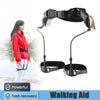
One of the most practical examples of modern mobility innovation is the Assisted Walking Leg Support Device from Astoria Lifestyle.

👉 https://astorialifestyle.com/products/assisted-walking-leg-support-device
• Provides direct leg support for easier walking
• Reduces pressure on joints and muscles
• Helps maintain natural posture and movement
• Lightweight and designed for daily use
• Ideal for recovery, elderly support, or mobility assistance
This type of device represents the evolution of mobility aids — combining functionality, comfort, and modern design into one solution.
| Feature | Traditional Aids | Mechanical Walking Aids |
|---|---|---|
| Support Level | Low to moderate | Moderate to high |
| Weight Distribution | Arms & wrists | Lower body support |
| Movement Style | Assisted | Natural walking motion |
| Comfort | Limited | High |
| Fatigue Level | Higher | Lower |
| Stability | Moderate | Enhanced |
Consider switching if you:
• Experience fatigue using a cane or walker
• Need more stable and balanced support
• Want a more natural walking experience
• Are recovering from injury or surgery
• Need long-term mobility assistance
As technology evolves, mobility aids are becoming smarter, more ergonomic, and more effective. Mechanical walking aids represent a major step forward — helping users maintain independence while improving comfort and safety.
If you're looking for a better alternative to traditional walking aids, mechanical solutions offer a more advanced and user-friendly experience.
Explore modern mobility solutions designed for comfort and independence:
👉 https://astorialifestyle.com/collections/all
Assisted Walking Leg Support Device
https://astorialifestyle.com/products/assisted-walking-leg-support-device


